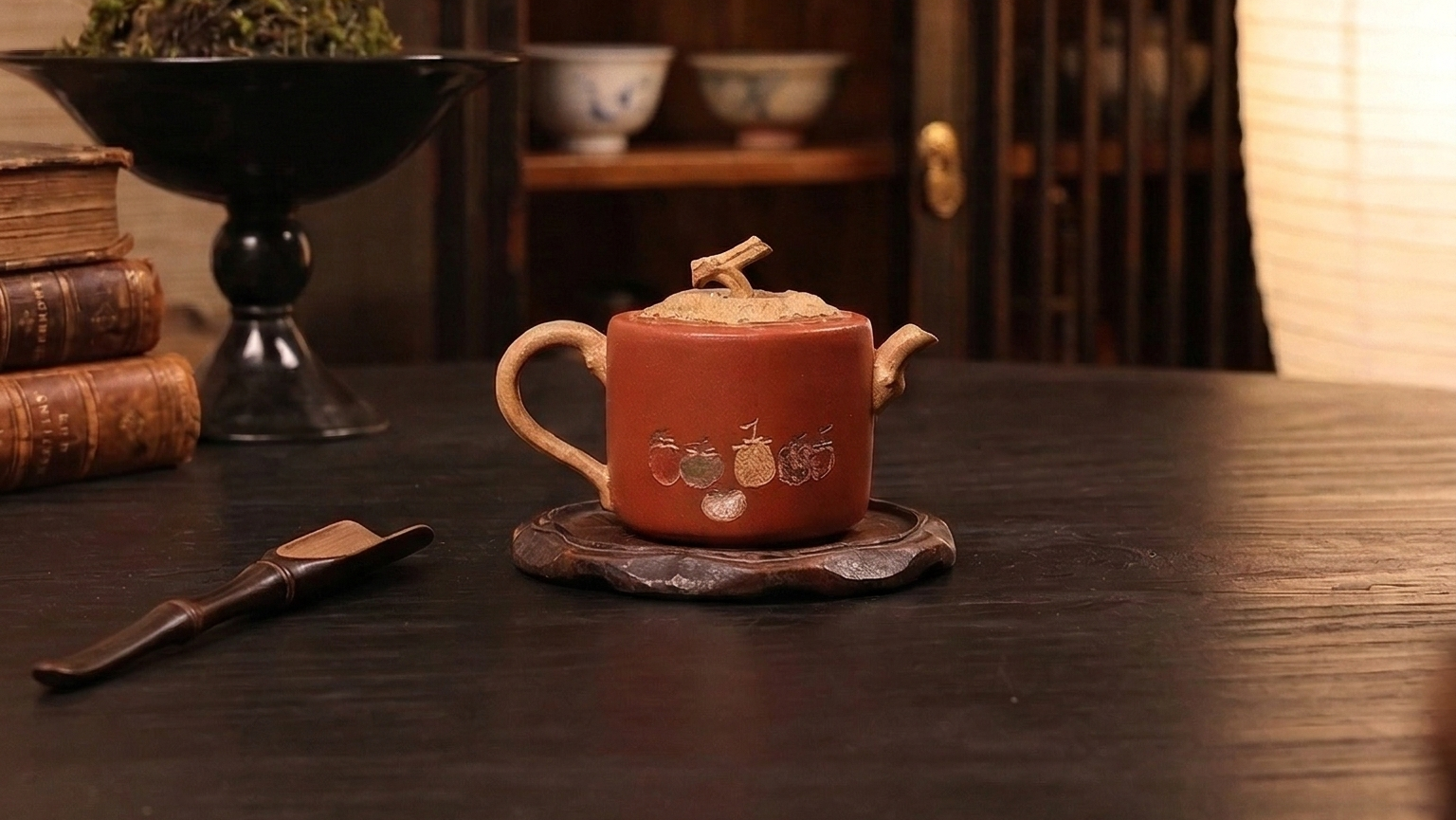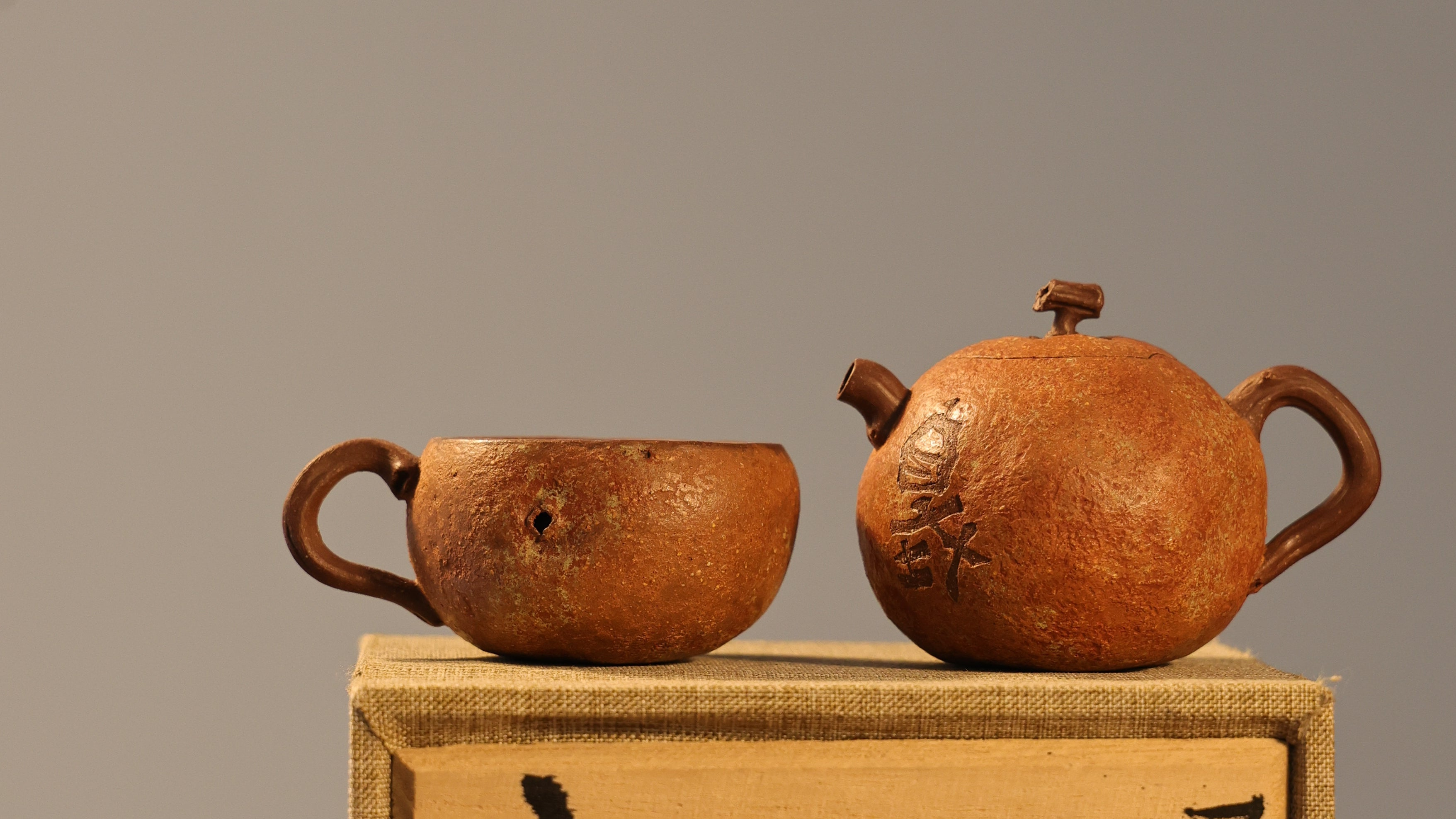
Launching our comprehensive analysis with respect to Issing Tzu-sha ceramic vessels provides one gripping fusion among expertise combined with usefulness.
Ising Zi Sha brewing containers carry distinct peerless enticement concerning gatherers on a global scale. Distinguished amazing terra cotta vessels, begun from the special Yi-hsing province within Jiangsu district, China, are more than just brewing tools; they are acknowledged as works masterful beauty and traditional significance. That finely refined clay, known as Zisha, imparts a understated flavor onto the tea, and the ornate designs, often showcasing traditional Chinese motifs, improve their natural value. Obtaining a genuine Yixing Zisha teapot is a enjoyable journey, entailing careful analysis and an understanding of the countless factors influencing its scarcity.
Uncovering Yixing Earthenware Pots
Ihsing teapots boast a vibrant tradition deeply interwoven with Chinese legacy. Originating in Yixing, Jiangsu district, these vessels are crafted from a unique, porous purple mud found only in that distinct location. Their evolution began during the Ming age, with master ceramicists refining the techniques Yixing Zisha Teapot over ages. Various types persist, including the classic Hexiang (resembling crab shells), Zhuni (red-brown hue), and Duan Ni (stone-studded) – each with distinctive appearances. The cost of an Yixing pottery isn't solely based on its size or decoration, but also on the artisan’s reputation, the soil's quality, and the brewery’s age and condition. Aficionados often seek out older examples, believing they absorb the essence of the tea brewed within them over time, further adding to their eminence.- Hexiang Earthen Pots
- Zhuni Clay Pots
- Duan Ni Clay Pots
Zisha Teapot Mastery: Craftsmanship & Procedures
Exclusive production of Zisha teapots represents a climax of Chinese ceramic skill. Accomplished artisans employ antique techniques, often passed down through lineages, to unlock the full expression of this unique clay. Methods involve meticulous sculpting by hand, often combined with the binding method, followed by precise baking at incredibly severe temperatures in wood-fired kilns. Detailing is equally crucial; potters utilize native clay colors and may incorporate modeling work to depict intricate scenes or patterns, demonstrating a profound knowledge of the material’s features and energy. The resulting teapot isn't merely a vessel for tea, but a testament to a significant cultural history.
Classical Vessels: The Summary to Yihsing Zi Sha
Unveiling the world of Traditional teapots generally starts with Yixing Zisha. These special clay earthenware are constructed from a exclusive type of clay found only in the Yixing region of the Jiangsu province. Noted for its characteristic reddish-purple hue and fine characteristics, Zisha clay offers a refined flavor to the drink and refines with age, evolving into a cherished collectible. Acquiring Yixing Zisha clayware is more than just controlling a handsome object; it’s a salute of practice and finesse.
Investing in Yixing Zisha: Genuine Nature & Value
Entering the market of Yixing Zisha artifacts can be incredibly fulfilling, but necessitates a thorough knowledge. Genuine Nature is critical; numerous imitations exist, generally ingeniously assembled. Familiarizing oneself about old-fashioned roasting procedures, exclusive soil features, and the signatures of reputable manufacturers is fully essential. Besides, grasping the details of the appreciation development – influenced by circumstances such as traditional importance and the status of the component – is vital to sound investing.
- Scrutinizing heating origins.
- Consulting authorities for endorsement.
- Analyzing dealings changes.
An Art of Concocting with a Clay Teapot
Unique singular allure of a Zisha brewing system lies not just in its attractive appearance, but also in its important impact on the taste of the libation. These historic clay pots, sourced from distinctive regions of China, possess a intrinsic porosity that mildly interacts with the fluid and leaves, imbuing the drink with a soft character. Mastering the process requires a persistent approach, understanding how the ceramic responds to multiplex thermal states and leaf types, ultimately leading to a actually rewarding brewing encounter.
Protecting Own Heirloom
Proper preservation of your Yixing clay pot is crucial to extending its endurance. These special teapots, crafted from uncommon Yixing clay, develop a texture over intervals that boosts their prestige. Periodically rinse the inside part with warm water, avoiding harsh substances, and never use harsh scrubbing tools. Periodic gentle drying with a gentle cloth can encourage in removing spots. Allow your brewery pot to fully dry subsequent to each steeping
Unlocking Clay: Secrets This Ceramic Pots Exemplify Distinct
The acclaimed appeal of Yixing teapots starts from the distinctive properties of Purple clay, harvested solely near Yixing, the Memorable Chinese region. This outstanding clay, classified as ferruginous mud , possesses a strange combination of substances that, after aging, receive the taste of the infusions it houses. This causes a distinctive flavor profile for each kettle, rendering it a rate far transcending its baseline price and assisting to their sought-after status among tea enthusiasts.
Identifying the Optimal Classic Clayware: A Stoneware Explanation
Venturing into the world of Purple clay teapots can feel overpowering, but understanding the basics is key to choosing a prized piece. This type of clay, sourced mostly from the Yixing locale, Jiangsu territory, is distinguished for its unique structure and ability to improve the bouquet of the elixir over duration. Ponder the configuration, the tone, and the style; a legitimate Zisha teapot is more than just a holder; it's a decorative object and a manifestation of eastern culture. Seek the stamp of the craftsman for clues to its history and potential importance.