Recognizing Gate Valves: Kinds, Utilizations, and Repair
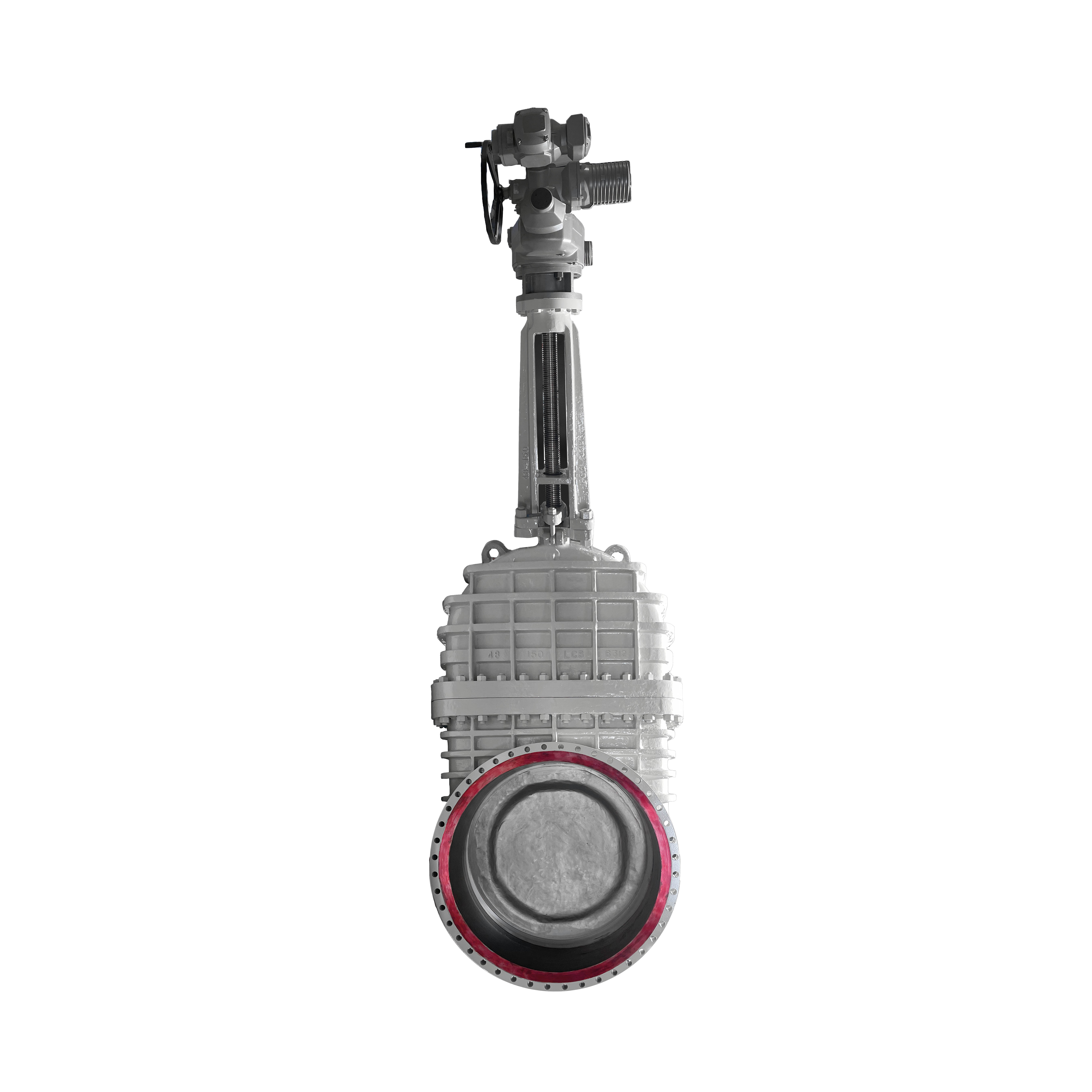
Shutter Controllers, some minimalistic tool for segregating current in channels, grant a uncomplicated method for opening or blocking fluid route. Common models include inclined gate, circular gate, and cutting gate, each suited for particular uses, such as refined conversion, H2O refinement, and industrial plants. Frequent management, including comprehensive examinations, coating of mechanical sections, and sporadic substitution of aged barriers, is essential for upholding dependable performance and improving the mechanism's lifespan}.Differentiating A Selected Fluid Supervision
As designing any gas conveyance, picking the right mechanism type is necessary for optimal conduct. Spherical valves and gate valves are often picked, but perform very separate tasks. Gate-style valves are largely formulated for wholly terminating stream and are hardly ever properly adapted for moderating liquid movement. Contrarily, globe valves deliver exceptional abilities for exact transit regulation and are commonly used more where changing current levels are desired. Consider a purpose's specific demands before finalizing such final decision.
- Stop valves - Supreme for on/off management.
- Round valves - Top-notch for balancing flow.
Non-return Valve Functionality: Blocking Counterflow in Plumbing Assemblies
Preventive valves are essential elements in many domestic pipeline setups, designed to preserve directed stream of elements. Their core job is to inhibit opposite flux, hence could deteriorate equipment, soiling supplies, or disrupt processes. They typically behave automaticly, empowering flux in one channel while strictly hindering stream in the counter vector.
Ball Valves: Gains and Cons for Manufacturing Operation
Rotary valves are commonly employed in industrial settings due to their minimalistic design and solid operation. Though, it’s vital to recognize both their favorable aspects and potential negative characteristics. Above all, ball valves offer immediate shut-off capabilities, exceptional flow control when used in a partially position (though regularly not recommended for prolonged throttling), and are fairly cheap compared to different valve forms.
- Uncomplicated Repair
- Low Force Decline
- Leak-proof Sealing mechanism
Valve Diversity: Gate, Globe, Check, and Ball Compared
Comprehending the separations regarding valve forms is critical for targeting the suitable approach for a given task. Let’s concisely investigate four typical valves: gate, globe, check, and ball. Gate systems deliver minimal barrier to passage when absolutely unobstructed, making them best for large quantity applications, but having poor balancing capabilities. Globe mechanisms, in antithesis, include a part that positions against a vent, allowing for precise stream governance, although at the expense of intensified fluid decline. Check apparatuses are intended to by design restrict backflow, serving as a univector safety characteristic. Finally, ball valves exploit a turning rounded piece with a bore to enable transit, granting accelerated exposure and sealing with fairly low strain drop.
- Gate Valves: open passage
- Globe Valves: fine modulation
- Check Valves: restrain reverse current
- Ball Valves: quick opening
Picking the Ideal Controller: A Instruction to Cutoff, Round, Reflux Prevention, and Ball
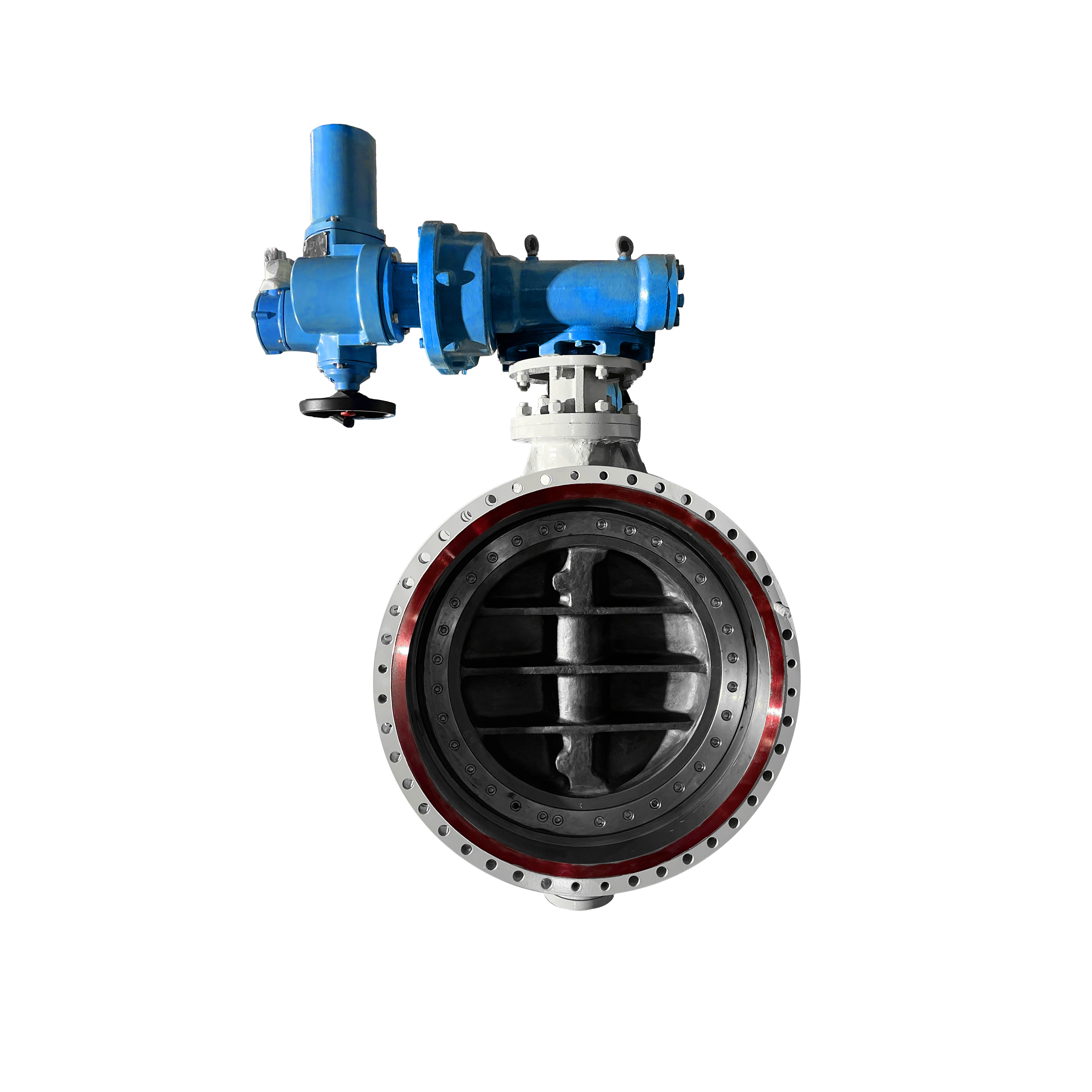
While handling with aqueous circulation, deciding on the suitable apparatus is paramount. Gate regulators offer negligible inhibition and are most fitting for smooth task, but are unsuitable well-suited for throttling. Globe systems provide outstanding flux balancing and are appropriate for operations requiring modulated flux rates. Check instruments are autonomous and authorize circulation in single line only, forbidding retrograde flow. Finally, ball regulators grant speedy shutoff and are frequently used in substantial applications due to their resilient fabrication.
Fixing Frequent Defects in Gate, Globe, and Ball Valves
Handling malfunctioning gate, globe, and ball systems can be vexing, but numerous common issues are readily handled with a limited of expertise. Let’s take a look at some typical Globe Valve problems and possible solutions. For gate systems, spot escape around the cap, which ordinarily indicates a faulty ring. Globe systems are likely to binding due to sediment – apply scheduled manual motion or rinsing to free the restriction. Ball controls shall experience packing leaks if the pellet is worn; updating the packing is typically the most suitable approach.
- Evaluate for deterioration
- Affirm suitable lubrication
- Reflect on professional aid if the issue abides
A Purpose of One-way Systems in Preserving Structure Security
Uni-directional devices function a critical duty in augmenting entire structure integrity across numerous industries.Various restrain reversal of compounds, which can cause considerable hazards specifically defilement of materials, apparatus crash, and even worker trauma.Illustratively, in a liquid network, one-way valves preserve the stock from becoming polluted by contrary stress. As well, these enable stable halt processes and diminish the likelihood for random release occurrences.
Reflect on this succeeding eventualities:
- Safeguarding of important tools from degradation due to reversed stress.
- Ensuring the purity of clean aqua provisions.
- Prohibiting perilous matter backwash into non-contaminated zones.
Understanding Flow Control Device Kinds: Gate, Globe, Ball, and Check
Whereas all serving as fundamental components in gaseous transit, gate, globe, ball, and check apparatuses differ significantly in design and deployment. Barrier valves offer tiny flow blockage when fully accessible, ideal for partition but