Throughout enduring chronicles,
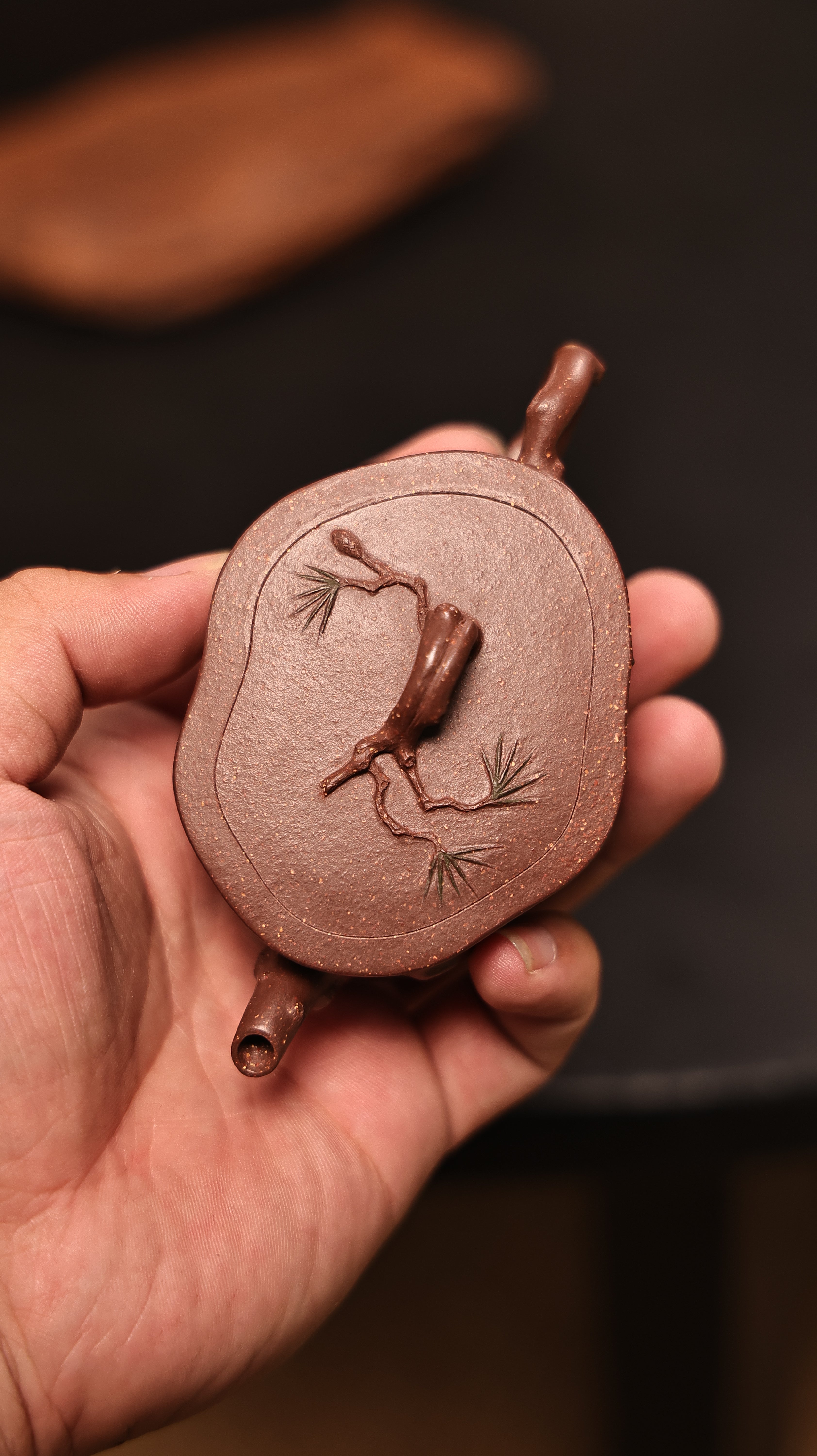
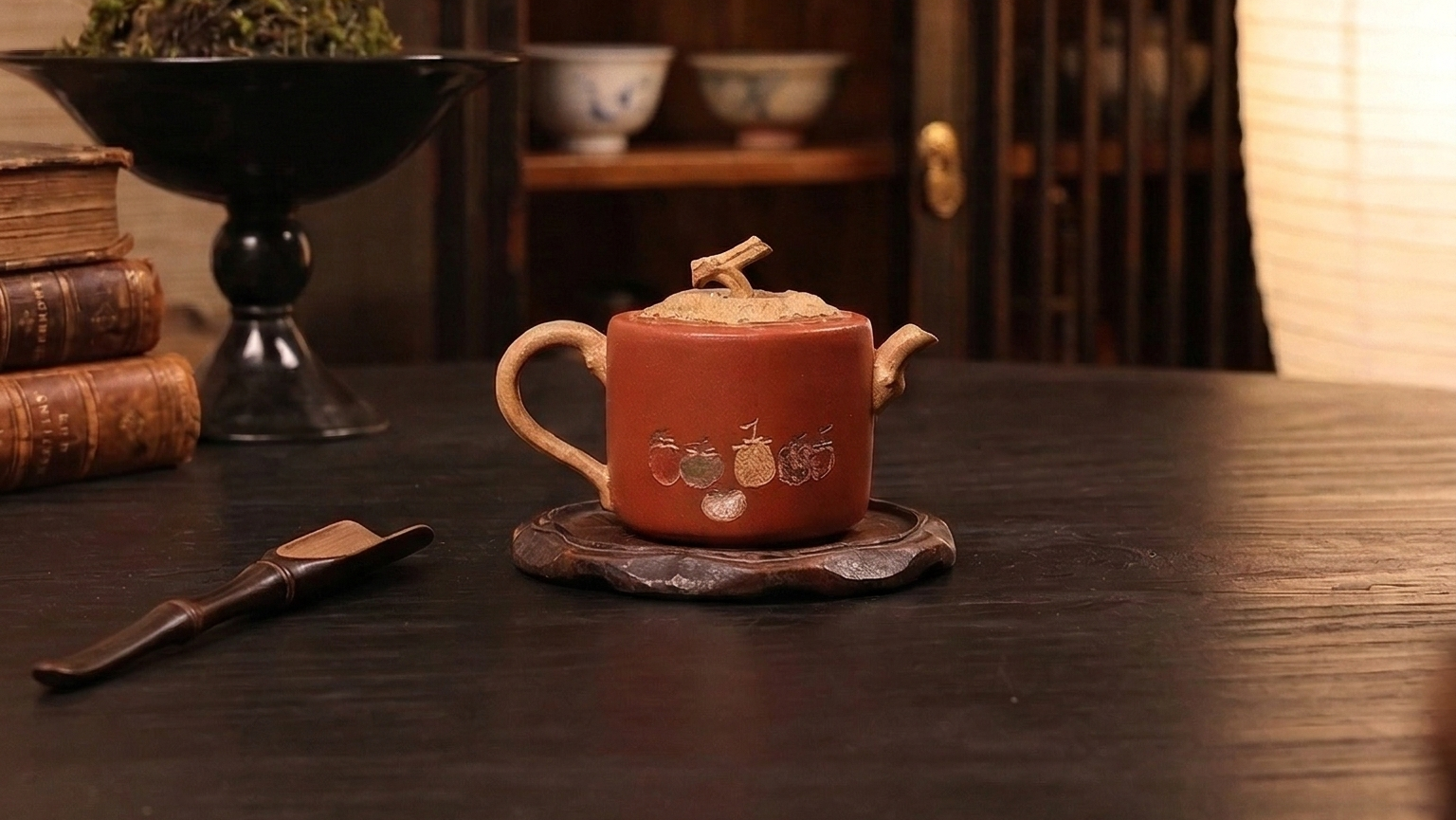
Across periods, devotees have been engaged by the distinctive charm of Yixing Zisha containers. Originating from the district of Yixing in China, these wares are renowned for their notable beauty, unusual clay, and essential ability to raise the bouquet of the steeping. The substratum's distinctive mulberry hue, combined with the skillful workmanship of local artisans, creates artifacts that are both functional art and valuable investments. Acquiring a Zisha teapot is more than just a purchase; it's embracing a rich cultural heritage.
Examining Yixing Teapots: Saga, Styles, and Price
Celebrated Yixing teapots serve as a deep heritage deeply intertwined with Chinese culture. Emerging in the Yixing region of Jiangsu province, these clay vessels boast a heritage extending back to the Ming Dynasty. Initial examples were functional, but over centuries, Yixing teapot forging evolved into an esteemed art form. The clay itself, known for its unique composition and ability to boost the flavor of the tea, stays a defining factor. Yixing teapots exist in various versions, broadly categorized by shape: Typical such as Zhuni (purple clay) and Bisheng, as well as exclusive designs. The cost of a Yixing Zisha Teapot teapot depends on several factors, including the potter’s acclaim, the age of the piece, the rarity of the clay, and its aesthetic beauty.- Chronology: Early periods
- Clay: Several sorts
- Cost Determinants: Uniqueness
Zisha Craftsmanship: Methods and Makers
Distinct formation of a authentic Zisha teapot is a detailed process, requiring lengthy durations of skill. Proficient artisans meticulously extract the purest Zisha clay, a exceptional earth found only in specific regions of China. Customary techniques, often passed down through families, involve detailed shaping, delicate carving, and unhurried firing in ancient fireplaces. The final teapot isn't merely a holder; it's a testament to creative vision and the serious connection between the artist and their background. Each teapot showcases the specific touch of the potter, resulting in a truly singular work of pottery.
Classical Ceramics: Surveying the Vast Institutions of Yixing City
Historic Yixing, situated in Jiangsu the area, is globally renowned for its exceptional ceramics – a tangible representation of centuries of Chinese creative legacy. These aren't merely vessels for steeping tea; they are intricate works of expertise, often reflecting cultural ideals. This unique purple clay, known as Zisha, possesses singular qualities: this material dense, ventilated, and imparts a subtle flavor to the tea.
- Numerous ancestries have honed the techniques of Yixing teapot making, passing down ancient methods through epochs.
- Followers prize these pieces for their elegance and exclusiveness.
- Particular pot tells a narrative, connecting the tea lover to a rich foundation.
Entering Yixing Zisha: Key Considerations
In the process of analyzing procuring Yixing Zisha vessels, various criteria expect careful review. Firstly, the earth's tone is vital; authentic Zisha habitually exhibits a definite brick hue. Furthermore, inspect the artistry; clear aspects and a sleek overlay reveal accomplished making. At last, study the fabricator's profile; distinguished names draw boosted amounts and often grant a promising profit.
The Art of Brewing Tea with a Zisha Teapot
Brewing delicious tea with a Zisha carafe is more outstripping a simple habit; it's an specialty. Zisha clay, distinguished for its unique natural composition, imparts a refined character to the prepared tea that’s often absent with other materials. The fitting water climate is imperative; typically, softer than what's used for black tea, to retain the tea's aroma and zest. Consider conscientiously the tea kind; delicate green teas or aged pu-erhs gain from the Zisha’s ability to mellow their natural edge. It’s pivotal to heat the teapot in advance of brewing, and to prevent over-steeping. Mastering this art leads to a factually exceptional tea moment.
- Comprehending Zisha Clay
- Water Temperature & Type of Brew
- Necessity of Preheating
Protecting Your The Kettle
With the aim of prolong the life of your cherished Yixing vessel, ongoing servicing is vitally required. Avoid using soap; instead, lightly clean it with pleasantly heated moisture. Avoid sharp heat; refrain set the ceramic pot directly onto a scorching support. Periodically, prepare the container by soaking it with high-quality fermented tea, as this supports to develop its essence and protects the singular qualities of the earth.
With respect to Material to Chalice: The Process of a Famous Pot
Such creation of a Zisha teapot is a notable procedure, a indication to both the land’s bounty and the finesse of the craftsperson. It originates with the exact extraction of the special clay from the burgundy Zisha mines near Yixing. This untreated material, known for its magnificent qualities, is then deliberately filtered and prepared for the primary forming. The jug's shape is carefully developed using a aggregation of ancient modeling systems, often incorporating sophisticated patterns. Following maturing, the jar undergoes a indispensable first firing, followed by a coating stage, which might involve numerous layers of authentic Zisha paints. Finally, a second, and sometimes third, firing at high temperatures completes the artifact, revealing its perfected beauty and superlative characteristics - a veritable masterpiece, ready to enhance a tea ritual.
{Yixing Teapots: A Token of the Custom and Tribute
Legendary Yixing teapots, originating from the noted Yixing region of Jiangsu province, are far more than mere vessels for brewing tea; they represent a deep aspect of Chinese customs. Formed from distinctive purple clay – zisha – these remarkable teapots are highly treasured for their ability to complement the flavor of the tea and, crucially, for their loveliness. The record of Yixing teapot making spans centuries, and the talent involved is bequeathed through generations, making each teapot a masterpiece that embodies heritage-bound techniques and a profound appreciation for the modest pleasures in life.